Introduction
The rise of e-commerce has transformed how we shop, making it easier and more convenient to buy products from the comfort of our homes. However, one challenge that has persisted in online shopping is the inability to experience products firsthand before purchase. Virtual Reality (VR) is changing this by providing immersive shopping experiences that let customers interact with products as if they were in a physical store. In this blog, we’ll explore how VR is enhancing e-commerce through virtual shopping experiences.
1. Immersive Product Exploration
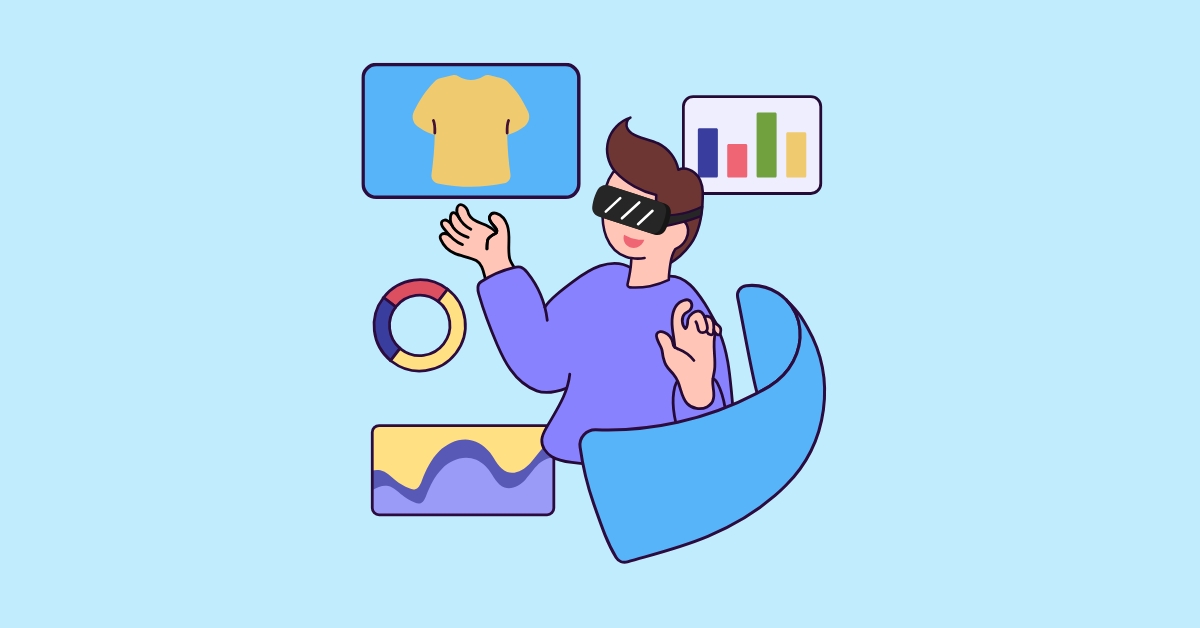
One of the most significant ways VR enhances e-commerce is by enabling customers to explore products in a more immersive way. In a traditional online shopping experience, customers rely on images, descriptions, and reviews to make purchasing decisions. VR takes this to the next level by allowing customers to virtually “try” products before buying them.
For example, VR can let users interact with 3D models of products like clothing, furniture, or electronics. In fashion, VR allows customers to see how clothes will look on them through virtual try-ons, making it easier to gauge fit, color, and style. In furniture shopping, VR enables customers to see how a piece will look and fit in their own home, providing a much more accurate representation than static photos.
2. Virtual Stores and Showrooms
VR is also enabling the creation of virtual stores and showrooms, offering customers an entirely new way to shop. Instead of browsing a website with product images, customers can enter a fully immersive, 3D virtual store, where they can navigate aisles, view products, and interact with sales representatives—just like in a physical store.
Major retailers like Ikea and L’Oreal have already implemented VR showrooms, allowing customers to explore their products in a 360-degree environment. These virtual stores can be accessed from home, offering the same immersive experience as visiting a brick-and-mortar location.
3. Personalized Shopping Experiences
Personalization is a significant trend in e-commerce, and VR is taking it to the next level. VR-powered systems can offer tailored shopping experiences based on customer preferences and behavior. For example, virtual assistants can guide customers through a virtual store, recommending products based on their previous purchases or preferences. This creates a highly customized experience, increasing the likelihood of conversion.
4. Reducing Return Rates
One of the main drawbacks of online shopping is the high return rate, often because customers are dissatisfied with the product after seeing it in person. With VR, customers can get a much clearer idea of what they’re purchasing, reducing the likelihood of returns. For example, virtual try-ons for clothes or makeup give customers a better sense of how the products will look on them, leading to more informed purchasing decisions.
Conclusion
VR is revolutionizing online shopping, providing customers with immersive, interactive, and personalized experiences that were once only possible in physical stores. By enabling virtual product exploration, virtual stores, and customized shopping experiences while reducing return rates, VR is enhancing the e-commerce landscape and shaping the future of online shopping.
#VReCommerce #VirtualShopping #EcommerceInnovation #OnlineShopping #VirtualReality #EcommerceTrends #ImmersiveShopping #VirtualStores #PersonalizedShopping #TechInRetail